
Introduction
Imagine being able to deploy troops, aircraft, and ships anywhere on the planet within hours. That level of reach doesn’t come from technology alone—it comes from a vast network of military bases spread across the world.
From the deserts of the Middle East to islands in the Pacific Ocean, overseas military bases act as strategic outposts that extend a nation’s power far beyond its borders. They allow countries to monitor threats, support allies, protect trade routes, and respond quickly during crises.
A recent dataset shared by World of Statistics highlights a fascinating reality: some countries maintain military installations in dozens of foreign territories, while others rely mostly on domestic bases. According to the data, the United States leads the world with bases in around 55 countries, followed by countries like Russia and the United Kingdom with far fewer overseas installations.
But numbers alone don’t tell the full story. Why do countries invest billions in maintaining foreign bases? And what does this global network reveal about power, alliances, and modern geopolitics?
Let’s explore.
What Are Overseas Military Bases?
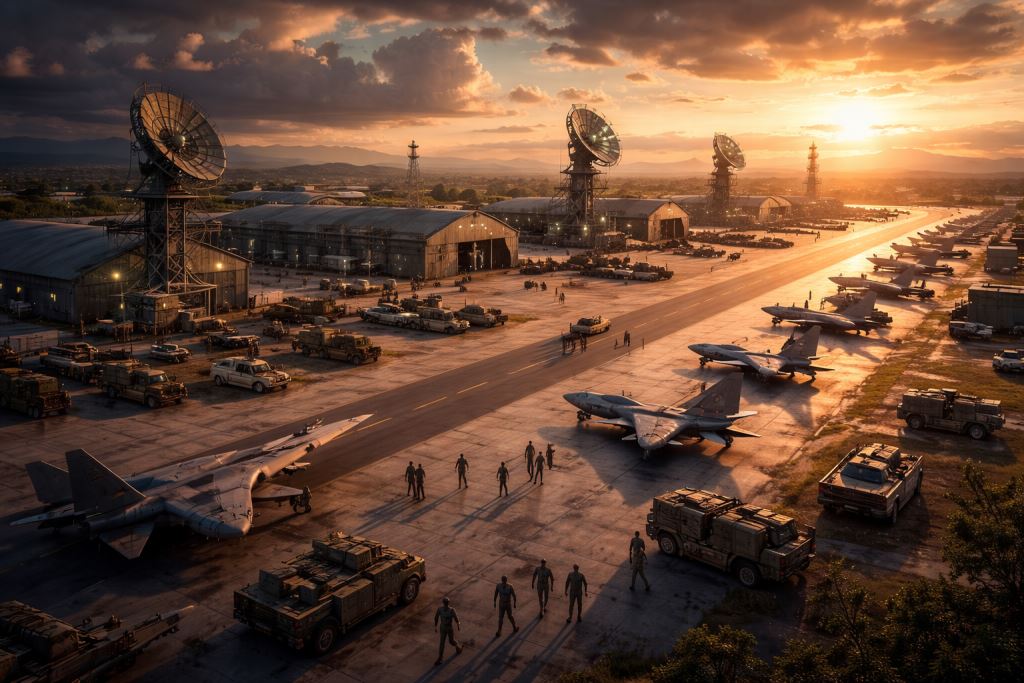
Overseas military bases are installations located outside a country’s own territory but operated by its armed forces. These bases can take many forms, including:
- Airbases used for fighter jets and cargo aircraft
- Naval bases that support fleets and submarines
- Logistics hubs for military supplies
- Intelligence and surveillance facilities
Many of these bases are established through agreements between countries, often as part of security alliances or defense partnerships.
For example, the United States maintains numerous bases in Europe and Asia through agreements with NATO members and strategic allies. According to the U.S. Department of Defense (defense.gov), these bases help maintain global stability and support international operations.
Countries With the Most Overseas Military Bases
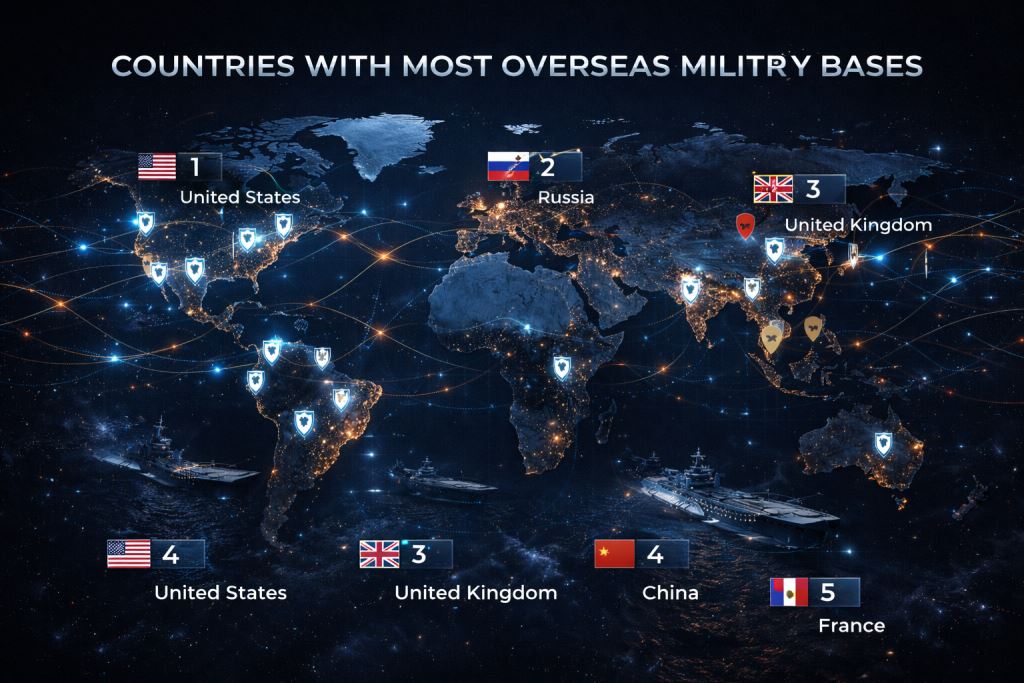
Based on the data highlighted in the World of Statistics post, the global distribution of overseas bases is heavily concentrated among a few major powers.
Below is a simplified comparison.
| Rank | Country | Estimated Countries Hosting Bases | Strategic Reach |
|---|---|---|---|
| 1 | United States | ~55 | Global |
| 2 | Russia | ~13 | Regional & strategic |
| 3 | United Kingdom | ~13 | Global legacy presence |
| 4 | France | Several | Africa & overseas territories |
| 5 | China | Limited but growing | Strategic expansion |
Numbers are approximate and change as geopolitical agreements evolve.
This distribution highlights how different countries approach military strategy and global presence.
The United States: A Global Military Network
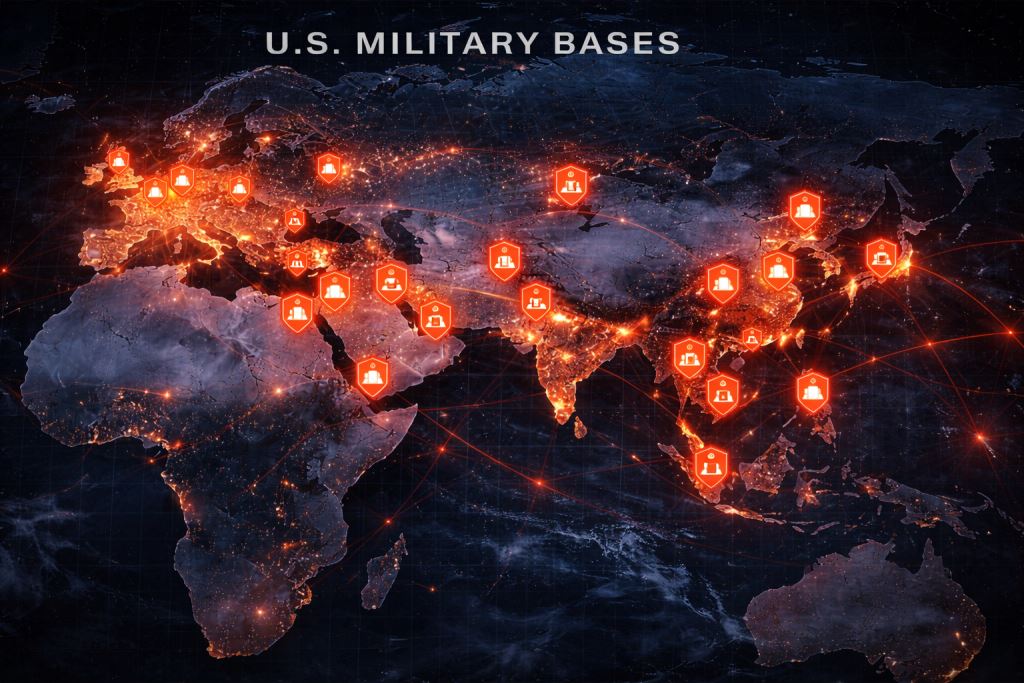
The United States operates the largest network of overseas military bases in modern history.
Its installations span nearly every region of the world, including:
- Germany – major logistics and command centers
- Japan – critical bases in the Pacific
- South Korea – deterrence against regional threats
- Qatar and Bahrain – Middle East operations
- Italy and Spain – NATO coordination
These bases support thousands of aircraft, ships, and personnel.
According to the Congressional Research Service (crsreports.congress.gov), the U.S. global base network allows rapid deployment of military forces and strengthens alliances with partner nations.
From a strategic standpoint, this network acts like a global web of support points, enabling the United States to maintain influence across continents.
Russia’s Strategic Military Presence
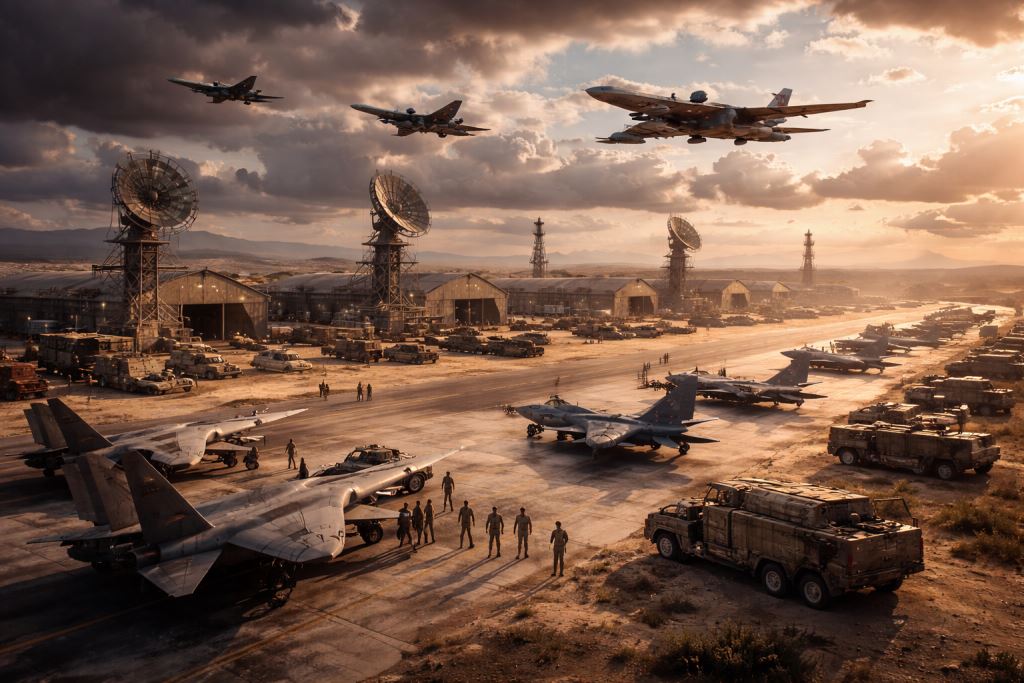
Russia maintains far fewer overseas military bases compared to the United States, but its installations are highly strategic.
Many Russian bases are located in regions that were historically part of the Soviet sphere of influence.
Key examples include:
- Syria – naval facility in Tartus
- Armenia – regional security hub
- Central Asia – bases in Tajikistan and Kyrgyzstan
These bases allow Russia to maintain influence near its borders and protect strategic interests in neighboring regions.
Unlike the U.S. model of widespread global presence, Russia’s strategy focuses more on regional power projection.
The United Kingdom: A Legacy of Global Presence
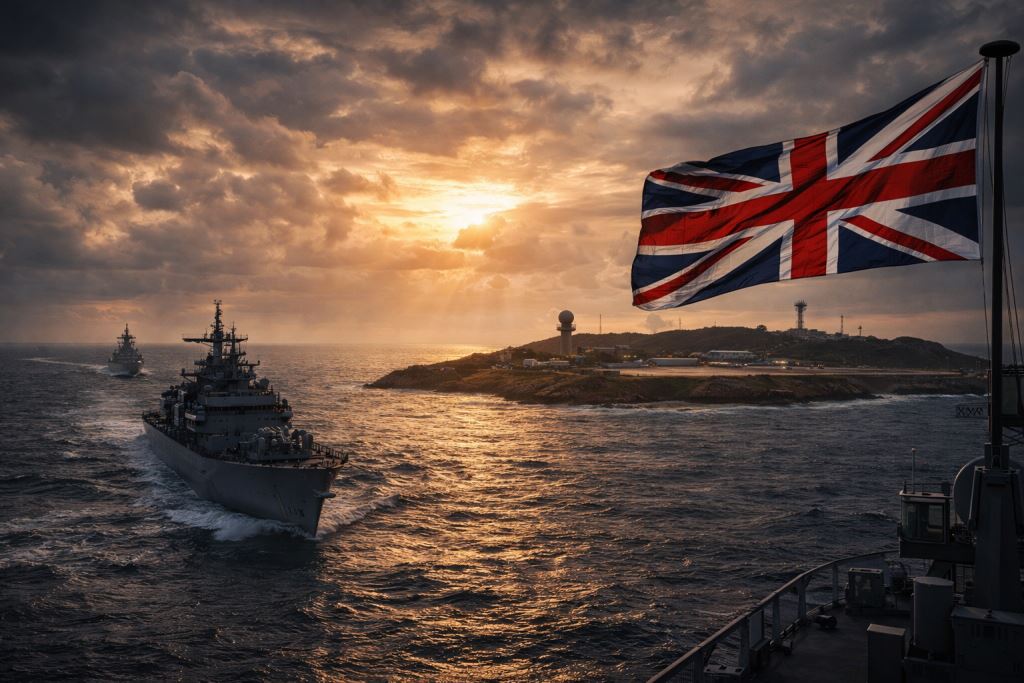
The United Kingdom maintains a number of overseas military bases, many of which are connected to its historic maritime empire.
These installations support:
- Naval operations
- Intelligence gathering
- NATO missions
British bases can be found in places such as:
- Cyprus – major RAF bases
- Gibraltar – strategic Mediterranean location
- Diego Garcia (shared with the U.S.) – Indian Ocean operations
The UK Ministry of Defense (gov.uk) notes that these bases help support global security operations and humanitarian missions.
China’s Growing Overseas Military Footprint
China historically maintained very few overseas military bases, but that trend is beginning to change.
Its most notable foreign installation is located in Djibouti, near one of the world’s busiest shipping routes.
This base supports:
- Anti-piracy missions
- Naval logistics
- Peacekeeping operations
Analysts from the Center for Strategic and International Studies (csis.org) suggest that China may expand its overseas base network as its global trade routes and naval power grow.
While still small compared to U.S. infrastructure, China’s presence signals a shift in global military strategy.
Why Countries Build Overseas Military Bases
Maintaining foreign bases is expensive, but countries continue investing in them for several key reasons.
Rapid Military Response
Overseas military bases allow forces to respond quickly to emergencies.
For example, aircraft stationed in allied countries can reach crisis zones far faster than units deployed from home territory.
Strategic Influence
Military bases often signal geopolitical partnerships and alliances.
They can strengthen relationships between nations and deter potential threats.
Protecting Trade Routes
Many global trade routes pass through vulnerable areas such as:
- The Persian Gulf
- The South China Sea
- The Mediterranean Sea
Military installations help protect these routes and ensure global commerce continues uninterrupted.
Intelligence and Surveillance
Bases often include advanced radar, satellite communication systems, and intelligence centers that monitor global activity.
These capabilities help governments track potential security threats.
Key Insights From Global Military Base Networks
Looking at the distribution of overseas military bases reveals several interesting patterns.
1. Geography Still Matters
Despite advances in technology, physical presence still plays a crucial role in military strategy.
2. Alliances Shape Military Infrastructure
Countries with strong alliances tend to host more foreign bases.
3. Global Power Often Requires Global Logistics
Large-scale military operations require supply chains, airfields, and ports across multiple continents.
The Future of Overseas Military Bases
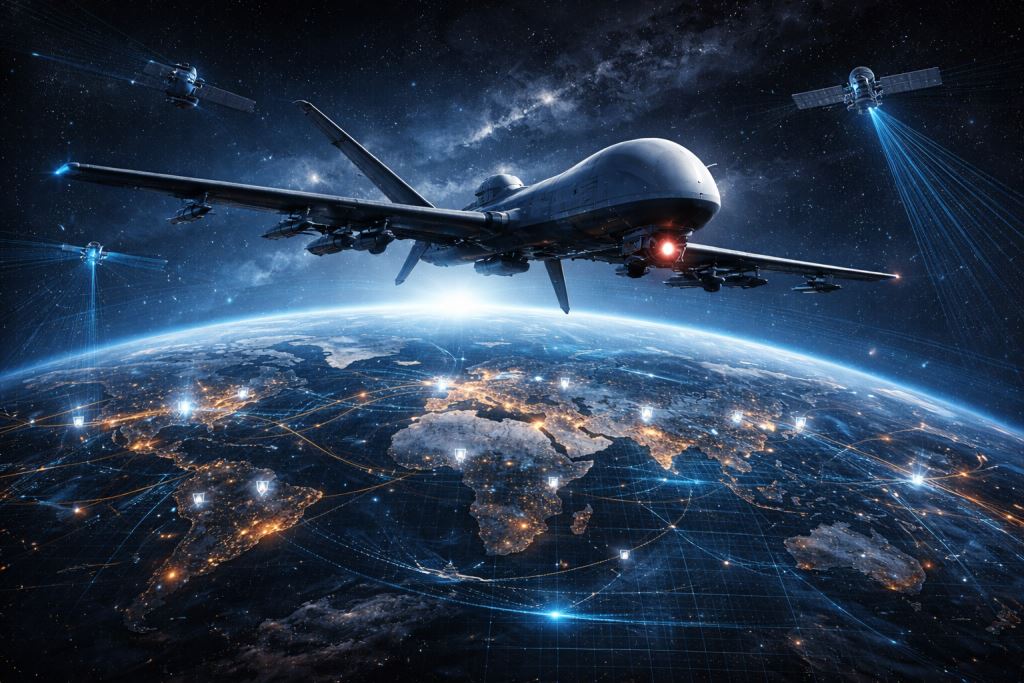
The role of overseas military bases may evolve in the coming decades.
Emerging technologies such as:
- unmanned drones
- cyber warfare
- satellite intelligence
are changing how nations project power.
Some experts believe physical bases could become less central as remote technologies improve.
However, most analysts agree that strategic locations and logistical hubs will remain vital for international security.
Conclusion
The global network of overseas military bases offers a fascinating glimpse into how power is distributed across the world.
While the United States currently maintains the largest and most extensive system, other nations like Russia, the United Kingdom, and China continue to shape their own strategies for global influence.
These bases are more than just military installations—they are symbols of alliances, strategic interests, and geopolitical priorities.
Understanding where they are and why they exist helps us better understand the complex dynamics of international relations.
Call to Action
What do you think about the global spread of military bases?
Do they promote stability and security—or increase geopolitical tension?
Share your thoughts in the comments, and if you enjoyed this analysis, explore more global strategy and geopolitics articles on our blog.