
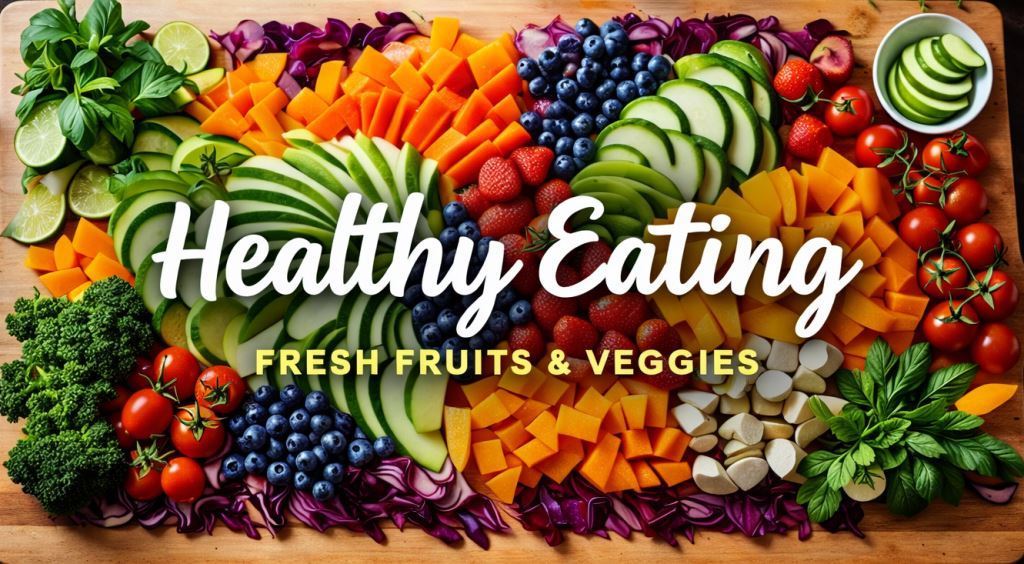
The world of food and culinary arts is full of rich traditions and new ideas. It’s a mix of old and new flavors from all over the globe. This article takes you on a trip through cooking’s history, showing how different cultures have shaped it.
It covers everything from ancient cooking methods to today’s kitchen skills. You’ll learn about the science behind cooking. This makes the food not just taste good but also look great.
Culinary arts blend art and science in a unique way. This creates a world of flavors, looks, and creativity. The article also talks about eating food that’s good for the planet and the many jobs in the culinary field.
Key Takeaways
- Explore the rich history and evolution of culinary traditions worldwide
- Discover the essential cooking techniques and the science behind them
- Understand the fusion of art and science in the culinary arts
- Gain insights into sustainable and ethical food practices
- Uncover the diverse career paths within the dynamic culinary industry
Introduction to Food and Culinary Arts
The world of food and culinary arts is vast and full of life. It’s filled with traditions, techniques, and influences from all over the globe. From simple home cooking to fancy Michelin-starred restaurants, it shows our deep need to feed, delight, and explore the endless possibilities of food.
At the center of this world is the introduction to food and culinary arts. It’s a starting point for understanding how food and cooking affect our lives, communities, and cultures. Whether you love cooking, work in a kitchen, or just enjoy eating, this introduction will cover the key parts of the culinary world.
The culinary industry is diverse, with many areas and specializations. It includes everything from cooking and serving food to the science of taste and the business side of hospitality. This shows how wide-ranging and exciting the culinary arts are, with many chances to explore and grow.
| Sector | Specialization |
| Food Preparation | Chefs, Cooks, Bakers |
| Hospitality | Restaurant Management, Hotel Catering |
| Food Science | Food Technologists, Nutritionists |
| Culinary Education | Culinary Instructors, Food Critics |
By diving into the world of food and culinary arts, we open up a realm of flavors, techniques, and cultural exchanges. This journey helps us appreciate the art, science, and importance of the culinary industry. It prepares us for the exciting adventures that await us.
The Evolution of Culinary Traditions
Culinary traditions have evolved over centuries, tracing back to ancient times. They come from the Middle East’s spice-filled dishes to Europe’s traditional cooking methods. These traditions have changed because of different cultures mixing and the lasting impact of ancient cooks.
Ancient Culinary Practices
Ancient cooking methods like wood-fired ovens and slow-simmered stews are still used today. Archaeologists have found evidence of big feasts and exotic spices in ancient Mesopotamia, Egypt, and China. This shows how creative and skilled our ancient cooks were.
Influence of Diverse Cultures
As trade grew and empires changed, cooking knowledge and ingredients moved around the world. This brought new foods and cooking styles to different places. For example, chili peppers went from the Americas to Southeast Asia, and soy sauce from China to Japan.
Today, global cuisines keep changing, mixing old techniques with new ideas. They celebrate the diversity of cooking traditions that shape how we enjoy and value food.
Food and Culinary Arts: A Global Phenomenon
The world of food and culinary arts is now a global mix. It combines the flavors and traditions of cultures from everywhere. Global cuisine, international food, and cultural cuisine have blended together. This has created a rich and exciting culinary world that food lovers all over the world enjoy.
Globalization has changed the culinary arts a lot. It has made sharing ingredients, techniques, and culinary knowledge easier. People from all over the world have shared their cooking traditions. This has led to new flavors and trends in cooking.
- The rise of international food festivals and events has made people appreciate global cuisine more. It lets them try the flavors and traditions of different cultures.
- Chefs and food lovers have become cultural ambassadors. They share their love for global cuisine. This inspires a deeper understanding of the world’s culinary heritage.
- Now, it’s easier to find international ingredients. This has made home cooks try new flavors and techniques. They mix culinary traditions in their kitchens.
“Cooking is one of the oldest arts. Food is our common ground, a universal experience.” – James Beard
The culinary arts are now a way to bring people together. They share the experience of food. From street food in Southeast Asia to Michelin-starred restaurants in Europe, the global food scene shows the richness and diversity of human cooking.
Mastering Culinary Techniques
In the world of food, learning cooking skills and culinary techniques is key. It’s what chefs and home cooks use to get better. Skills like how to handle knives and prepare food are crucial for success.
Essential Kitchen Skills
It’s important to know the basics of the kitchen. This means being good at:
- Knife handling and cutting techniques
- Precise measurement and ingredient preparation
- Proper food storage and preservation methods
- Effective kitchen organization and time management
Cooking Methods and Styles
Knowing different cooking methods and cooking styles is a must. These include:
- Sautéing and pan-frying
- Grilling and broiling
- Baking and roasting
- Braising and stewing
- Steaming and poaching
Understanding these culinary techniques opens up new possibilities in the kitchen. It lets you make delicious dishes and try out new flavors.
“Cooking is an art, but all art requires knowing something about the techniques and materials.” – Nathan Myhrvold
The Science Behind Cooking
Cooking is more than just an art; it’s a science that explores the complex chemical and physical processes. These processes turn raw ingredients into tasty dishes. The field of food chemistry and culinary science looks into how molecules, heat, and enzymes work together. They shape the flavor, texture, and look of our favorite foods.
The core of the science of cooking is understanding how heat, temperature, and time change food’s molecular structure. The Maillard reaction gives seared meats their golden-brown crust. Gelatinization makes sauces thick. These scientific principles are key to making any recipe work.
But cooking science isn’t just about heat and temperature. Enzymes, which speed up chemical reactions, are vital. They tenderize proteins, break down carbs, and enhance flavors. Chefs use enzymes to add new tastes and textures to their dishes.
Knowing the food chemistry behind cooking lets chefs experiment and innovate. With this knowledge, they can make dishes that amaze the senses and intrigue the mind. These dishes leave diners with a new appreciation for the culinary science in every bite.
| Culinary Principle | Scientific Explanation | Practical Application |
| Caramelization | A complex series of chemical reactions that occur when sugars are heated, resulting in the development of hundreds of new flavor compounds. | Achieving a rich, golden-brown crust on seared meats, roasted vegetables, and baked goods. |
| Gelatinization | The process by which starch molecules absorb water and swell, creating a thickened, gel-like texture. | Thickening sauces, soups, and puddings to achieve the desired consistency. |
| Enzymatic Browning | A chemical reaction catalyzed by enzymes that causes certain foods, such as fruits and vegetables, to turn brown when exposed to air. | Preventing browning in freshly cut produce by using acidic ingredients or storing in water. |
By embracing the science of cooking, chefs and home cooks can reach new heights of creativity and skill. They turn their kitchens into labs where food chemistry and culinary science come together. This leads to amazing food experiences.
Food, Culinary Arts: A Fusion of Art and Science
Chefs and food lovers see the mix of art and science in culinary arts. They know that food is more than just eating. It’s a way to express creativity through flavors and how they look.
Plating and Presentation
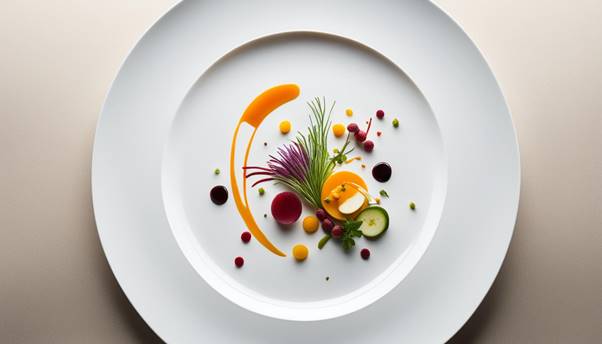
Plating and how food looks are key parts of the dining experience. Chefs use many techniques to make dishes look amazing. They arrange garnishes and design plates to make food look like art.
This makes the dish not just look good but also change how people taste the flavors and textures.
Flavor Combinations
Flavor pairing is a big part of culinary arts. Chefs use their knowledge of taste, smell, and texture to mix ingredients in new ways. They balance sweet, sour, salty, bitter, and umami to create a unique taste experience.
This makes eating a fun challenge and breaks the rules of traditional cooking.
| Flavor Pairing Principles | Examples |
| Complementary Flavors | Chocolate and chili, strawberry and balsamic, seafood and citrus |
| Contrasting Flavors | Sweet and salty, creamy and crunchy, spicy and cooling |
| Flavor Bridging | Roasted garlic and caramelized onions, herbs and spices, smoke and char |
Chefs and food lovers keep exploring the mix of food, art, and science. This makes dining a journey for the senses. It delights and feeds the soul.
Careers in the Culinary World
The culinary world is full of different career paths. You can be a chef, a baker, a food stylist, a food critic, or even a culinary entrepreneur. If you love cooking, exploring flavors, or sharing food with others, there’s a place for you in this field.
Being a chef is a popular choice. Chefs plan menus, manage the kitchen, and make dishes that look and taste great. They need to know a lot about cooking, have a good sense of taste, and work well under pressure.
Food stylists work with photographers and videographers to make food look amazing for photos and videos. They use their artistic skills to arrange dishes in a way that looks good and makes you want to eat them.
If you like to analyze things, you might enjoy being a food critic. Food critics check out restaurants and share their thoughts on the food and experience. They help people decide where to eat by giving honest feedback.
For those who want to start their own food business, there are many options. You could run a catering service, a food truck, or a specialty food shop. Success in these ventures requires a mix of cooking skills, business knowledge, and a drive to succeed.
| Culinary Career | Description | Key Skills |
| Chef | Responsible for planning menus, overseeing kitchen operations, and creating visually stunning and flavorful dishes. | Culinary expertise, time management, leadership, creativity |
| Food Stylist | Works alongside photographers and videographers to make food look its absolute best for commercial and editorial purposes. | Artistic skills, attention to detail, understanding of food presentation |
| Food Critic | Responsible for evaluating the quality, creativity, and overall experience of dining establishments, providing valuable feedback. | Analytical skills, attention to detail, strong communication skills |
| Culinary Entrepreneur | Starts their own businesses, such as catering companies, food trucks, or specialty food shops. | Culinary expertise, business acumen, entrepreneurial spirit |
No matter which career you choose, the culinary world is full of opportunities for those who love food, creativity, and making people happy. With the right skills, education, and hard work, you can succeed in this exciting and changing industry.
Sustainable and Ethical Food Practices
Today, we’re seeing a big shift in how we think about food. The focus is now on making food production and eating more sustainable and ethical. This change is thanks to the farm-to-table movement and efforts to cut down on food waste.
Farm-to-Table Movement
The farm-to-table movement is all about using fresh, local ingredients. It connects consumers directly with the farmers who grow these foods. This way, we get better food and help local economies. It also cuts down on the harm caused by transporting food long distances.
Reducing Food Waste
There’s also a big push to reduce food waste. Chefs and food lovers are finding new ways to use every bit of food. They’re using smart storage and cooking methods to make sure we waste less food.
This focus on sustainable food helps the culinary world move towards a greener future. The farm-to-table movement and efforts to reduce food waste are helping chefs and consumers make better choices. These choices help our planet and communities.
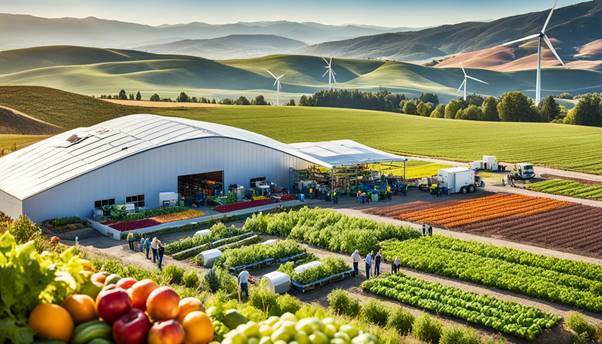
“Sustainable and ethical food practices are not just a trend, but a necessity for the well-being of our planet and our communities.”
Exploring Global Cuisines
Start a thrilling food adventure as we dive into the world of global cuisines. We’ll taste everything from Indian curries’ aromatic spices to Japanese sushi’s delicate flavors. This journey shows us the rich variety of foods from around the globe.
Experience the bold tastes of Mexican moles, the warm Italian pasta dishes, the fresh Chinese stir-fries, and the exciting Mediterranean delicacies. Each dish tells a story of local chefs, regional ingredients, and traditions passed down through time.
Let’s explore the stories behind these flavors. We’ll learn about the history, techniques, and artistry that go into each dish. Get ready to be amazed by the bright colors, enticing smells, and delicious textures of the world’s top international recipes and global cuisines.
FAQ
What is the significance of food and culinary arts?
Food and culinary arts are key to our lives. They shape our cultural traditions and help us connect with others. They also play a big role in our health and well-being.
Over time, they have changed, showing the diversity of cultures around the world. They keep evolving, bringing new flavors and ideas to the table.
How have culinary traditions evolved throughout history?
Culinary traditions go way back to ancient times. Each culture has its own way of cooking, using different ingredients and flavors. This has led to new ways of cooking and new tastes.
Now, different cultures share their cooking styles, creating new dishes. This keeps the world of food exciting and changing.
What is the global impact of food and culinary arts?
Food and culinary arts bring people together from all over the world. They help us share stories and traditions. Thanks to globalization, we’re learning new cooking ways and trying new foods.
This has made the world’s food scene more diverse and interesting. It’s a way to connect with others and celebrate our differences.
What are the essential culinary techniques and skills?
Knowing the key cooking skills is important for chefs and home cooks. It includes how to handle knives, prepare food, and cook using different methods. Skills like sautéing, grilling, baking, and braising are essential.
These skills help make food taste great and look good. They’re the basics for creating amazing meals.
How does the science of cooking contribute to the art of culinary expression?
Cooking science is key to making food art. It helps us understand how food changes when we cook it. Knowing about heat, enzymes, and how ingredients work together can make food better.
It lets chefs and cooks improve their dishes. They can make food that tastes great and looks appealing.
What are the diverse career opportunities in the culinary world?
There are many jobs in the culinary world, not just chefs and bakers. You can be a food stylist, critic, entrepreneur, scientist, or manager. Each job needs special skills and knowledge.
This means there are many ways to follow your passion in the culinary field.
How can we embrace sustainable and ethical food practices?
The food industry is focusing more on sustainable and ethical ways to produce food. This includes using local and seasonal ingredients. It also means reducing food waste and being more mindful of how we eat.
These efforts help make food production better for the planet and for people.
What are the unique characteristics of global cuisines?
Global cuisines are full of rich culture, diverse flavors, and new cooking ideas. Each place has its own special way of cooking, using local ingredients and techniques. This shows the local climate, resources, and culture.
It makes the world’s food scene vibrant and always changing, offering new tastes and experiences.