
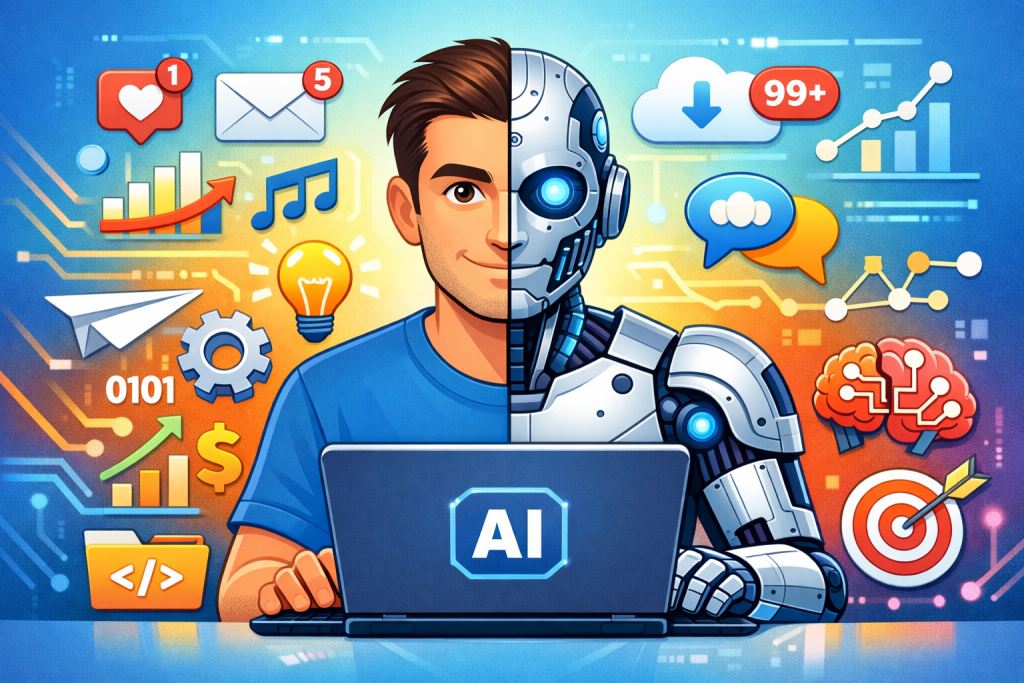
Introduction: Is AI Slowly Turning Us into Robots?
Artificial intelligence is everywhere today. From voice assistants and recommendation algorithms to smart productivity apps, AI has quietly become part of our daily lives. According to research from McKinsey & Company, AI adoption across industries has grown dramatically in recent years, influencing how we work, communicate, and make decisions.
But here’s a funny thought: what if AI isn’t just helping us… it’s slowly turning us into AI-like humans?
Think about it.
Do you optimize your morning routine?
Do you analyze every decision using Google searches?
Do your text messages sometimes sound like a professional email?
If you’ve ever caught yourself saying something like “Based on my research…” in a casual conversation, you might be showing early symptoms.
This funny yet surprisingly relatable list explores 10 signs you’re accidentally becoming an AI without realizing it. Don’t worry—it’s all in good humor… mostly.
The Human vs AI Lifestyle Comparison
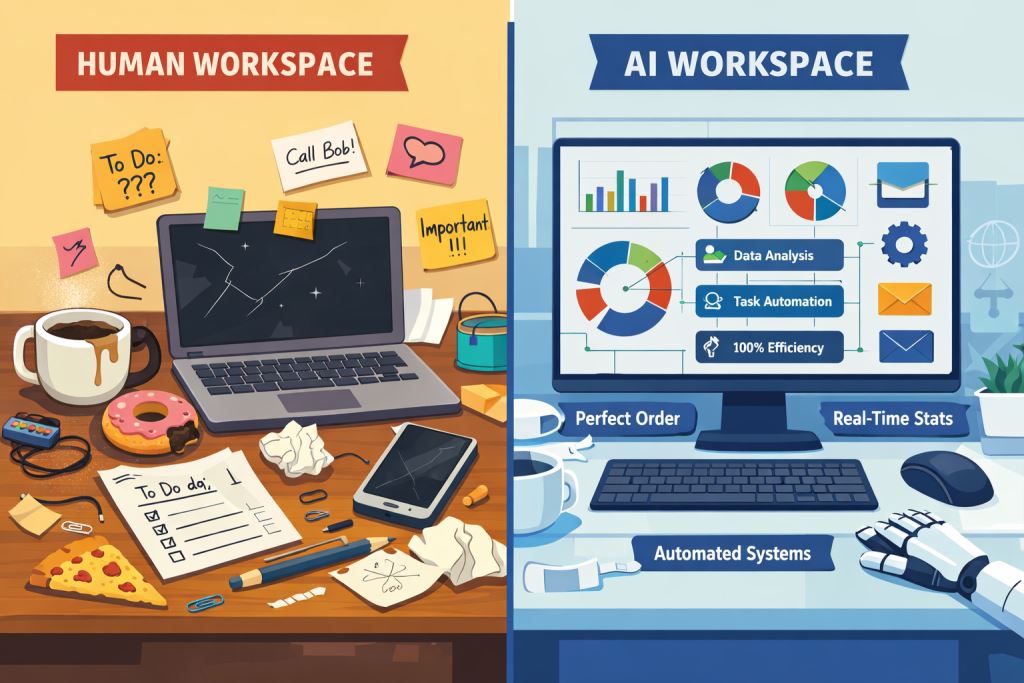
Before jumping into the signs, let’s quickly compare how humans used to behave vs how AI-influenced humans behave today.
| Situation | Classic Human Behavior | AI-Influenced Human Behavior |
|---|---|---|
| Making decisions | “I’ll just go with my gut.” | “Let me analyze five options first.” |
| Texting friends | Short, casual messages | Structured paragraphs |
| Planning day | Flexible | Optimized productivity schedule |
| Answering questions | Personal opinion | “Based on research and data…” |
| Conversations | Spontaneous | Structured and logical |
Technology hasn’t replaced human thinking—but it has changed how we process information.
Now let’s explore the funniest signs of this transformation.
1. You Optimize Everything
Once upon a time, people simply made coffee and started their day.
Now?
You optimize your morning routine like a Silicon Valley startup founder.
- Wake up at 6:03 AM (because 6:00 is too mainstream)
- 10 minutes meditation
- 15 minutes journaling
- Productivity podcast during breakfast
Suddenly your simple morning has turned into an algorithmic workflow.
It’s impressive—but also a little suspiciously AI-like.
2. You Speak in Bullet Points
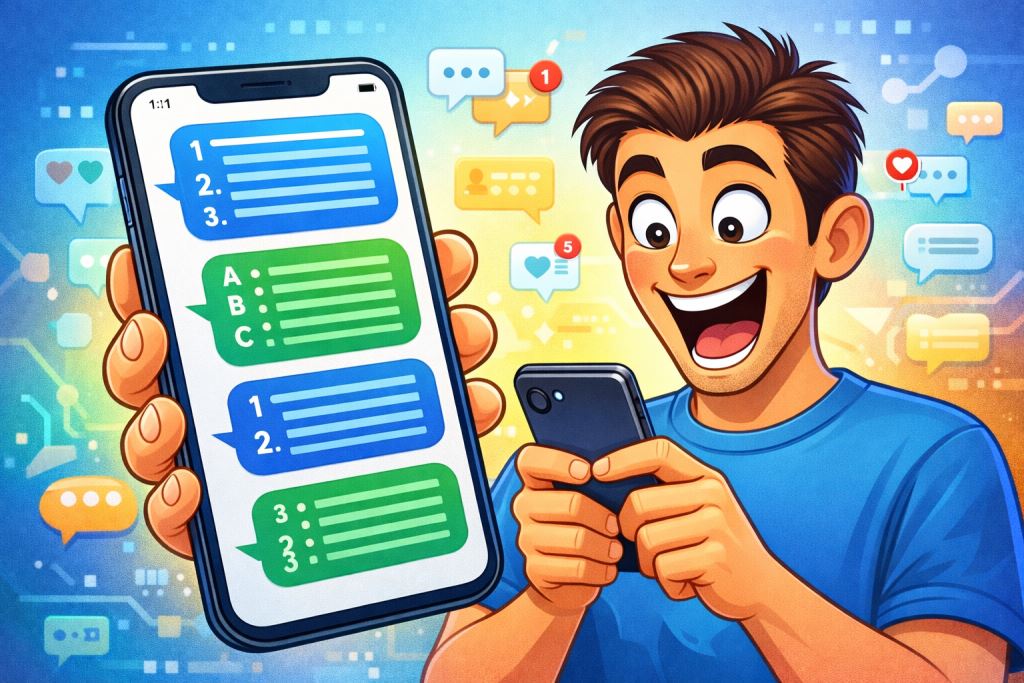
Your friends send messages like this:
“Bro, movie tonight?”
You reply:
- I am available at 7 PM
- Suggest action or comedy genre
- Please confirm location
Congratulations. Your texting style now resembles a business report.
This behavior often happens because productivity tools like Notion and Trello train us to organize thoughts into structured lists.
Useful? Yes.
Slightly robotic? Also yes.
3. You Start Every Answer with “It Depends”
AI models are trained to consider multiple perspectives before answering.
If you’ve started doing this too, you may be evolving into a human chatbot.
Friend:
“Should I start a business?”
You:
“Well… it depends on your financial situation, market demand, and long-term goals.”
Your friend just wanted a simple yes or no.
4. You Google Everything Before Having an Opinion
Remember when people just had opinions?
Today, many of us verify everything online first.
Before recommending a restaurant, movie, or product, we check:
- Reviews
- Ratings
- Reddit discussions
- Expert articles
This behavior mirrors how AI systems gather information from large datasets.
For example, research published by Stanford University highlights how digital tools influence human decision-making patterns.
So yes, your brain might be running a mini search engine process.
5. You Try to Automate Your Entire Life
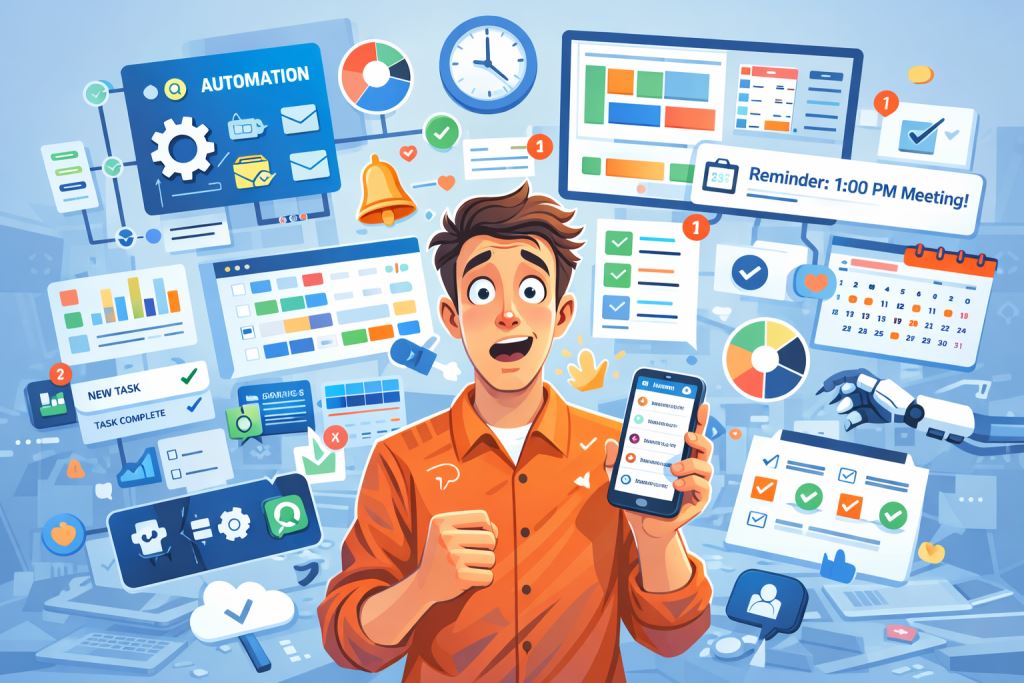
AI thrives on automation—and apparently, so do modern humans.
You might be using apps that:
- Schedule meetings automatically
- Track habits
- Send reminders
- Organize tasks
Tools like Google Calendar and Zapier have made life easier.
But when you automate your grocery list, workout routine, and social life…
It starts looking less like productivity and more like machine learning for humans.
6. Your Conversations Sound Like Tutorials
Have you noticed yourself explaining simple things in step-by-step guides?
Example:
Friend:
“How do I upload a video?”
You:
Step 1: Open YouTube
Step 2: Click upload
Step 3: Add title and description
Suddenly you’re not a friend anymore—you’re a technical support manual.
Platforms like YouTube have trained many people to communicate in instructional formats, especially creators and bloggers.
7. You Analyze Every Decision Like Data
AI systems rely on data analysis.
Many humans now do the same.
Before making a decision, you might consider:
- Pros vs cons
- Risk vs reward
- Cost vs benefit
Instead of simply choosing a restaurant, you run a full strategic evaluation.
At this point, your brain isn’t thinking—it’s running spreadsheets.
8. Your Brain Works Like a Recommendation Algorithm
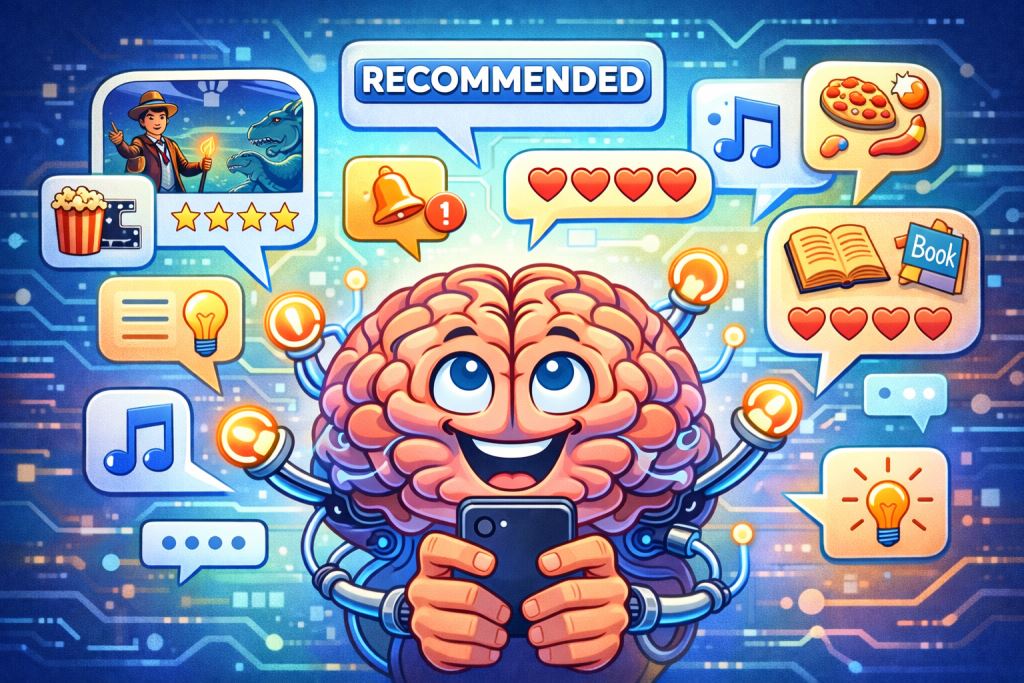
Streaming services changed our expectations.
Platforms like Netflix and Spotify use AI algorithms to recommend content based on preferences.
Interestingly, humans now mimic this behavior.
Example:
Friend: “Suggest a movie.”
You immediately filter options based on:
- Genre preference
- Mood
- Past viewing history
You’re basically running a human recommendation engine.
9. You Say “Based on My Research” Too Often
When casual conversations start sounding like academic presentations, something interesting is happening.
Statements like:
- “Based on my research…”
- “According to statistics…”
- “Studies suggest…”
have become normal in everyday discussions.
It’s a positive change—people are becoming more informed.
But it also means our communication style is starting to resemble AI-generated explanations.
10. You Accidentally Write Like ChatGPT
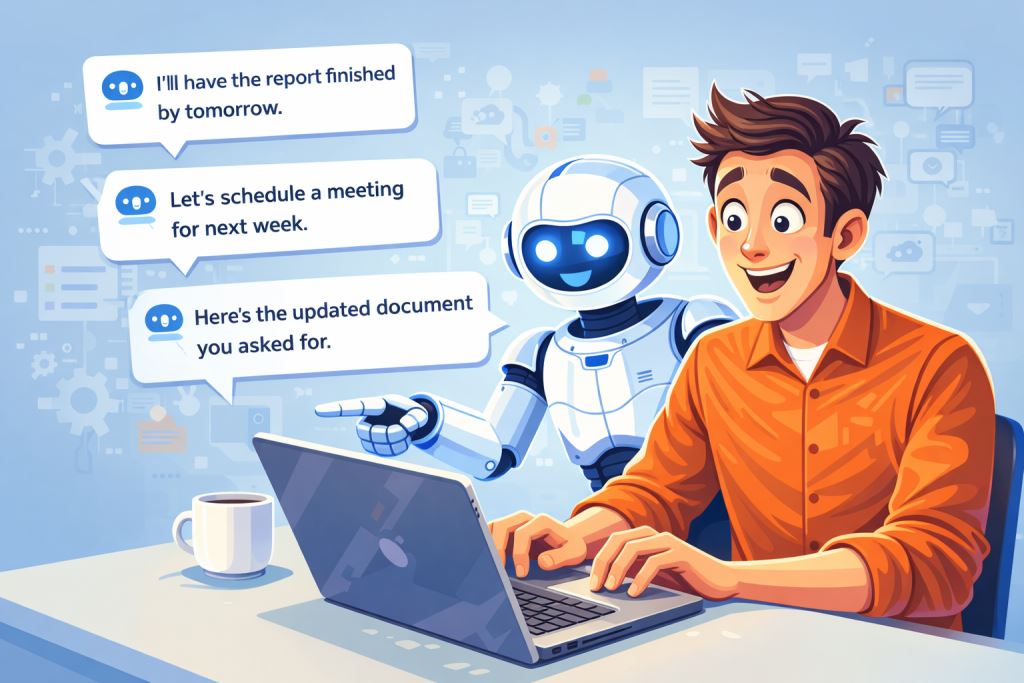
Here’s the funniest sign.
Sometimes you write messages that sound like they were written by an AI assistant.
Example:
“Thank you for your message. I appreciate your question and will provide the best possible answer.”
If your friends reply with:
“Why do you sound like a chatbot?”
Then congratulations.
Your transformation is nearly complete.
Why AI Is Influencing Human Behavior
This funny phenomenon actually reflects a real psychological shift.
Experts at MIT explain that technology doesn’t just change tools—it changes how humans think and communicate.
Some key reasons include:
1. Information Overload
We now process massive amounts of information daily.
2. Productivity Culture
Modern work environments reward optimization and efficiency.
3. Digital Communication
Text-based communication encourages structured responses.
4. Algorithmic Thinking
Technology trains us to think logically and systematically.
So while these habits are funny, they’re also signs of evolving human behavior.
Quick Summary: Signs You’re Becoming AI
| Sign | AI-Like Behavior |
|---|---|
| Optimizing routines | Treating life like a workflow |
| Bullet-point messages | Structured communication |
| “It depends” answers | Balanced reasoning |
| Research before opinions | Data-driven thinking |
| Life automation | Algorithmic planning |
| Tutorial-style conversations | Instructional communication |
| Data-based decisions | Analytical thinking |
| Recommendation thinking | Pattern recognition |
| Research-heavy discussions | Evidence-based opinions |
| Chatbot-style writing | Polished structured language |
Conclusion: Maybe Becoming a Little AI Isn’t So Bad
While this list is meant to be funny, it highlights something fascinating.
Humans are adapting to a world shaped by artificial intelligence, data, and automation. Many of the habits we jokingly associate with AI—like structured thinking and data-driven decisions—are actually useful life skills.
So if you recognize yourself in these signs, don’t panic.
You’re not turning into a robot.
You’re simply becoming a human upgraded by technology.
Just remember one important rule:
Not every decision needs a spreadsheet, algorithm, or optimization strategy.
Sometimes it’s okay to just say:
“Let’s order pizza.”
Call to Action (CTA)
So tell me honestly:
How many of these signs describe you?
Drop a comment and share your score—from “still human” to “full AI mode.”
If you enjoyed this funny AI post, you might also like:
And if you want more funny tech insights and trending blog ideas, don’t forget to bookmark this blog and share the article with your friends.